









Allahabad HC Halts Demolition, Orders Status Quo on Noida Farmhouses in Yamuna Floodplain

Allahabad High Court Orders Status Quo on Yamuna Floodplain Farmhouses: Relief and Uncertainty for Noida Residents
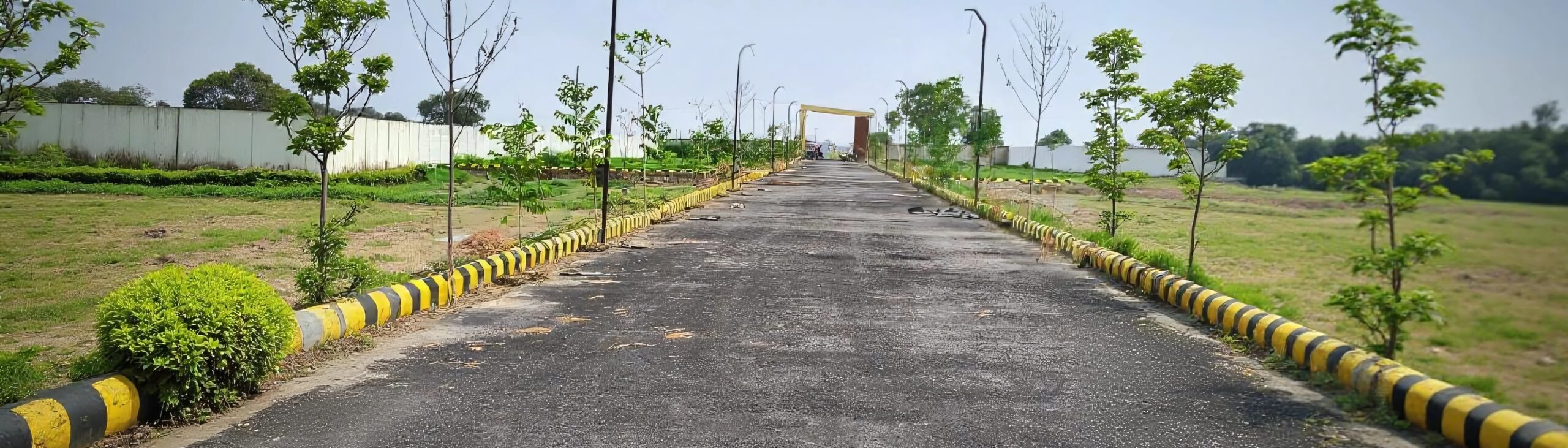
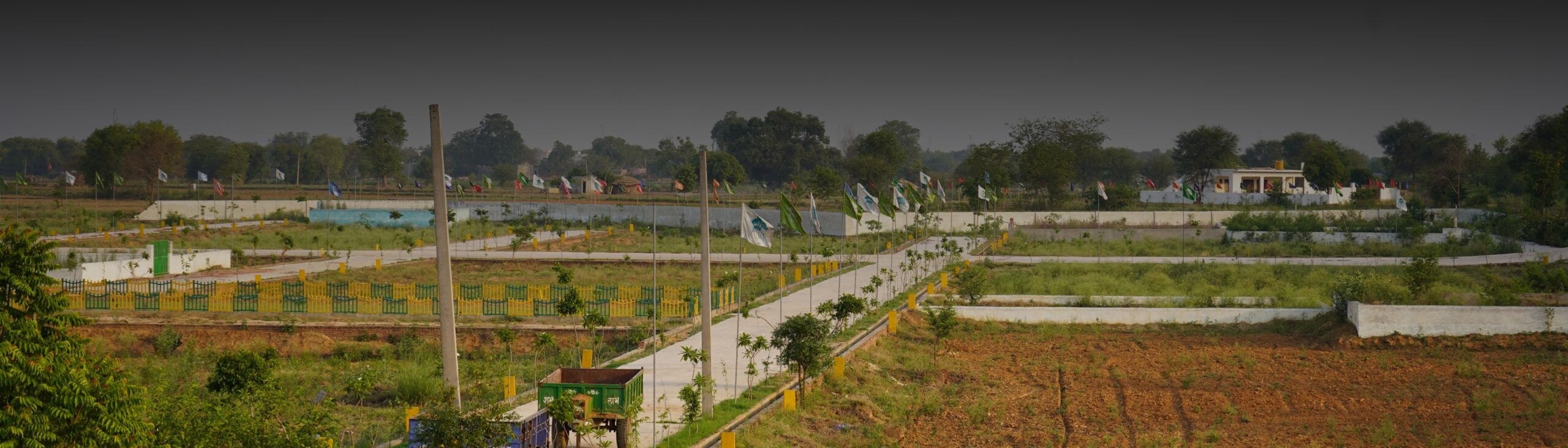
The Allahabad High Court has once again drawn attention to the ongoing dispute between Noida farmhouse owners and the Noida Authority over alleged illegal constructions on the Yamuna floodplain. In a recent directive, the court ordered the parties to maintain status quo regarding the contested structures, temporarily halting further demolitions but also restricting any new development in the area.
This development revives one of the most discussed land disputes in the Delhi-NCR real estate corridor, balancing property rights against environmental preservation laws.
Background of the Dispute
The legal battle over the Yamuna floodplain farmhouses dates back several years. In May 2022, the Noida Authority, acting under the River Ganga (Rejuvenation, Protection and Management) Authorities Order, 2016, initiated demolition drives targeting unauthorized farmhouses that allegedly encroached upon the floodplain.
During the initial drive, nearly 125 farmhouses were razed in multiple sectors adjoining the Yamuna, including Sectors 135, 150, and 151.
These actions were justified on environmental grounds—officials cited that any construction within the notified floodplain violated national norms aimed at safeguarding river ecosystems. However, hundreds of property owners protested, claiming selective enforcement and lack of clear demarcation.
Latest Court Proceedings and Interim Order
In the latest petition, 30 farmhouse owners moved the Allahabad High Court after receiving demolition notices from the Noida Authority. They alleged that the notices were issued without due process and selectively targeted certain properties while overlooking others.
After hearing the plea, the High Court issued an interim order directing both the Authority and the petitioners to maintain the current condition of the sites. The bench also linked the case with a similar petition filed in 2023, consolidating judicial scrutiny of floodplain encroachments in the region.
The court stated that no further construction or third-party transactions could take place on the disputed plots until the next hearing, which has been scheduled for September 24, 2025. Meanwhile, the Noida Authority, National Mission for Clean Ganga (NMCG), and other respondents have been granted three weeks to file written replies.
Petitioners’ Key Arguments
The farmhouse owners have maintained that their developments lie outside the High Flood Level (HFL) and should not be classified as floodplain encroachments. They argue that the Noida Authority’s classification of “floodplain land” lacks transparency and accuracy.
The petitioners further claim:
- Their farmhouses are temporary structures, often used for personal stays or weekend retreats, not for commercial ventures.
- The properties are located five kilometers from the active river course, hence do not obstruct the Yamuna’s natural flow.
- They acquired the land following valid sale deeds and no-objection certificates, some allegedly issued by local authorities.
Their central grievance is that the demolition campaign appears one-sided, sparing specific clusters while targeting others under similar conditions.
Noida Authority’s Stand
The Noida Authority, on the other hand, has consistently asserted that no development can be permitted within the notified floodplain area. Citing national and state laws regarding river protection, it emphasized that the existing constructions violate ecological and environmental norms.
An official statement from the Authority previously clarified that only structures outside the demarcated floodplain zones—as per the Irrigation Department’s technical survey—can be considered for regularization or exemption.
Authorities argue that floodplain encroachments threaten both environmental sustainability and disaster management planning, as such illegal constructions can obstruct the Yamuna’s natural drainage and worsen flooding in downstream areas.
Previous Legal Developments
The 2023 petition, now combined with the current one, had already led the Allahabad High Court to pass an interim order suspending demolition drives in Noida’s Sector 135. That order directed the NMCG to review the demarcation and report whether the targeted farmhouses indeed fell within floodplain limits.
Despite that judicial pause, enforcement actions continued elsewhere. As recently as August 2025, teams from the Noida Authority and the Uttar Pradesh Irrigation Department jointly pulled down 23 farmhouses in Sectors 150 and 151, describing it as the “largest coordinated demolition” in over a year.
These continued demolitions underscore the ongoing tension between policy enforcement and litigation delays, with both sides citing conflicting interpretations of the environmental guidelines.
Environmental Perspective
Environmental experts have consistently warned that encroachment on floodplains disrupts natural river flows, damages wetlands, and increases the risk of urban flooding. According to multiple studies, unchecked real estate development near riverbanks can narrow flood channels and push water back into urban neighborhoods during monsoon seasons.
The National Mission for Clean Ganga (NMCG) has repeatedly cautioned urban development authorities against altering the natural floodplain and has urged strict compliance with the Ganga rejuvenation framework.
Experts highlight that:
- Floodplain zones act as vital buffers, absorbing excess rainwater.
- Constructions in these areas weaken natural soil absorption capacity, raising flood hazards for downstream cities such as Delhi, Noida, and Greater Noida.
- Sustainable land-use planning is essential to balance urban expansion with river restoration efforts.
Environmental groups have even suggested adopting satellite-based mapping systems to prevent future disputes over floodplain boundaries.
Property Owners’ Counterpoint
For property owners, the issue extends beyond regulation—it’s about property rights and investment security. Many farmhouse owners claim that they purchased plots after due verification and with locally issued permissions.
They allege that Noida’s land-use plans failed to clearly mark “floodplain” zones, leading genuine buyers to invest without realizing the regulatory risks.
Owners argue that the lack of a uniform demarcation policy has led to arbitrary enforcement. In several cases, they point out, entire farmhouse belts have been spared while others face sudden demolition notices. Such inconsistency, they claim, undermines confidence in the real estate governance framework.
Broader Implications for Noida Real Estate
The outcome of this case holds significant implications for real estate investment in Noida, especially for properties situated near rivers, green belts, and low-lying agricultural zones.
Several developers are closely watching the case, as a precedent set by the High Court could influence land eligibility norms, construction permissions, and environmental clearance procedures across the NCR region.
If the verdict goes in favor of the Authority, stricter enforcement of floodplain rules can be expected, potentially affecting future land values and farmhouse projects. Conversely, if the court upholds the petitioners’ stance, it may compel authorities to refine zoning policies and introduce more transparent floodplain mapping mechanisms.
For the time being, property transactions and development activities in these sectors remain suspended, creating an atmosphere of uncertainty among investors.
Government and Policy Response
The Uttar Pradesh government has maintained that protecting river ecosystems is a state priority aligned with the National Clean Ganga Mission. Officials have hinted that strict compliance checks and GIS-based land surveys will soon be made mandatory to prevent illegal establishments in eco-sensitive zones.
Some policy analysts, however, believe that rather than abrupt demolitions, the government should consider rehabilitation or relocation frameworks for affected property owners. They argue that balancing ecological integrity with social equity requires multi-stakeholder dialogue rather than isolated administrative action.
What Lies Ahead
As the September 24, 2025 hearing approaches, both sides are preparing extensive arguments. The petitioners aim to prove that their plots do not fall under the prohibited zone, while the Noida Authority and NMCG will defend the legality of the demolition campaign under established environmental statutes.
The Allahabad High Court’s decision to consolidate all related petitions from 2022 and 2023 means that the upcoming hearing could provide a comprehensive judicial stance on Yamuna floodplain developments.
Observers expect that the judgment could become a landmark ruling, shaping how urban development authorities enforce environmental laws in rapidly expanding city regions like Noida, Greater Noida, and the Yamuna Expressway corridor.
A Balancing Act Between Development and Environment
The Yamuna floodplain dispute highlights the larger challenge facing Indian cities—how to reconcile rapid urbanization with sustainable environmental management. Noida’s transformation from farmland to a modern urban hub has been remarkable, but that growth now confronts ecological limits that cannot be ignored.
While the High Court’s order provides temporary relief to farmhouse owners, it also restricts any further development until legal clarity is achieved. For now, the directive to “maintain status quo” offers a pause in the demolition drive but extends ongoing uncertainty.
The coming months will determine not only the fate of these 30 farmhouse owners but also set a lasting precedent for urban planning, river conservation, and real estate accountability across the National Capital Region.